Archives
- 2026-08
- 2026-07
- 2026-06
- 2026-05
- 2026-04
- 2026-03
- 2026-02
- 2026-01
- 2025-12
- 2025-11
- 2025-10
- 2025-09
- 2025-04
- 2025-03
- 2025-02
- 2025-01
- 2024-12
- 2024-11
- 2024-10
- 2024-09
- 2024-08
- 2024-07
- 2024-06
- 2024-05
- 2024-04
- 2024-03
- 2024-02
- 2024-01
- 2023-12
- 2023-11
- 2023-10
- 2023-09
- 2023-08
- 2023-07
- 2023-06
- 2023-05
- 2023-04
- 2023-03
- 2023-02
- 2023-01
- 2022-12
- 2022-11
- 2022-10
- 2022-09
- 2022-08
- 2022-07
- 2022-06
- 2022-05
- 2022-04
- 2022-03
- 2022-02
- 2022-01
-
During pain signal transmission glutamate is
2022-01-04
During pain signal transmission, glutamate is released into the synaptic cleft, which, in turn, causes activation of N-methyl-d-aspartate (NMDA) receptors and hence neurotransmission across the synapse occurs. The synaptic concentration and resultant activity of glutamate are controlled by excitator
-
Dantrolene, sodium salt br Functional organization of postsy
2022-01-04
Functional organization of postsynaptic glutamate receptors Downstream effects of glutamate receptor positioning Mechanisms underlying the subsynaptic positioning of glutamate receptors Conclusions and future prospects The molecular organization of synapses is undoubtedly a critical dete
-
Apoptosis a form of programmed cell death is a critical
2022-01-04
Apoptosis, a form of programmed cell death, is a critical component in maintaining homeostasis and growth in all tissues and plays a significant role in immunity and cytotoxicity [54,55]. Although GR are expressed in all immune cells, the physiological outcomes of GR activation are highly cell type-
-
Various strategies have been pursued in the search for
2022-01-04
Various strategies have been pursued in the search for GIPR antagonists. Antibodies raised against both GIP(1–42) [14], [15] or the GIPR [16], [17], a small molecule antagonist [18], amino somatostatin agonist substitutions of GIP(1–42) [19], and various GIP(1–42) truncations and modifications such
-
Paroxysmal or sustained atrial fibrillations
2022-01-04
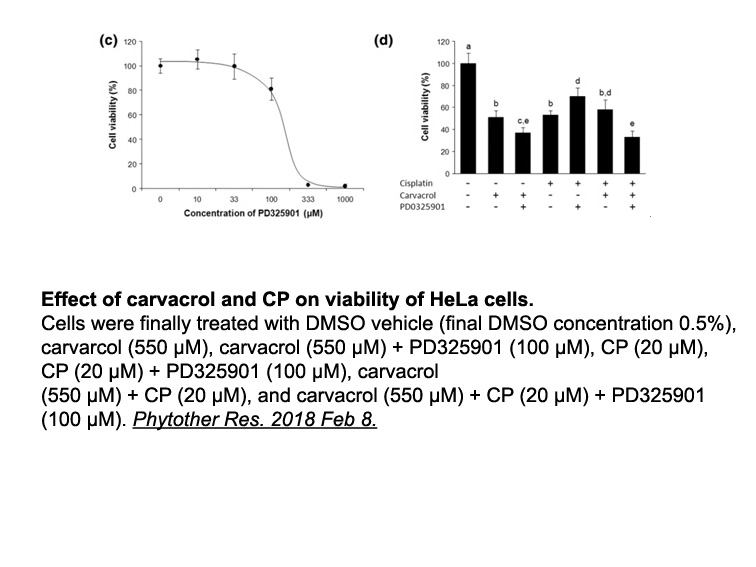
Paroxysmal or sustained atrial fibrillations profoundly activate platelets and induce coagulation factors in the heart (Choudhury and Lip, 2003). Accumulating factor Xa and downstream thrombin in the fibrillating left atrium activate PAR1 and/or PAR2 signaling to modulate electrical characteristics
-
br Experimental br Acknowledgments This research
2022-01-03
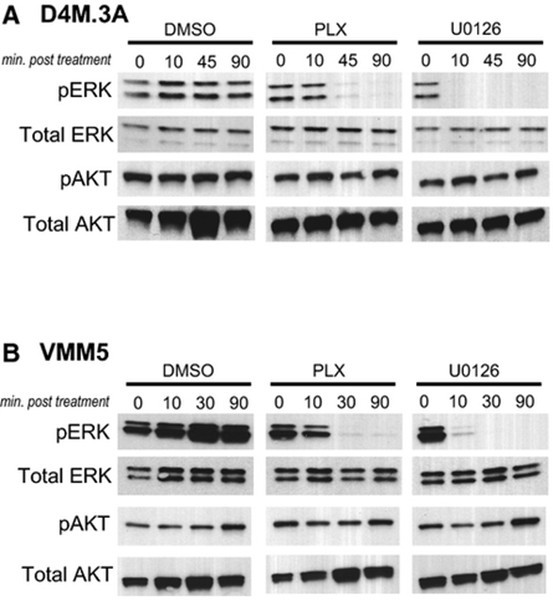
Experimental Acknowledgments This research was supported by the Korea Research Foundation (2013R1A1A2007509). The authors thank to Dr. Moon Ho Son (Dong-A Pharm. Co. Ltd) for hGPR119 agonist activity assay. We also thank to Pharmacal Research Institute and Central Laboratory of Kangwon Nationa
-
br Funding This work was
2022-01-03

Funding This work was supported by the Deutsche Forschungsgemeinschaft (SFB766 and GRK1708). Conflict of interest Acknowledgements Introduction Hepatitis C virus (HCV) infection is a global problem affecting about 3% of the world’s population [1], [2]. Mother-to-child transmission of HC
-
br Regulation of the GLI code
2022-01-03
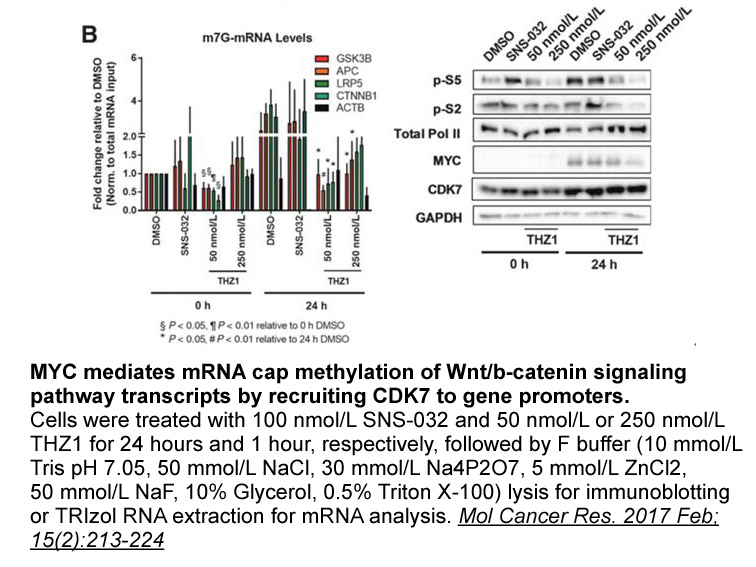
Regulation of the GLI code by non-HH signals and by the oncogenic load The GLI code may be seen as the essential parameter to regulate canonical HH output. Its regulation first appeared to be strictly dependent on the presence of specific levels of HH ligands. Indeed, GLI1 transcription is so far
-
br Summary br Conflict of interest br Acknowledgments This
2022-01-03

Summary Conflict of interest Acknowledgments This study was supported by Grant No. 2014/13/B/NZ7/02277 from the National Science Centre, Poland. Introduction Progesterone (P) is an anticonvulsant hormone (Backstrom et al., 1984, Herzog, 1995, Herzog, 1999, Frye et al., 2000, Reddy, 2002
-
Ligand selectivity may directly be related to the conformati
2022-01-03
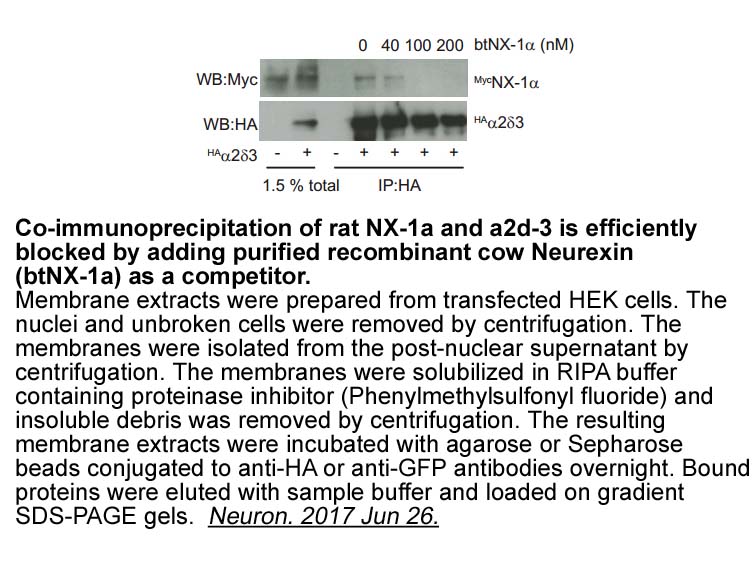
Ligand selectivity may directly be related to the conformational landscape explored by GPCRs despite that most GPCRs do not require dimerization for ligand recognition (Mary et al., 2012). Monomer FPRs have traditionally been perceived as receptors that can recognize N-formyl peptides and LXA4. This
-
Cy3 NHS ester (non-sulfonated) synthesis In terms of outcome
2022-01-03
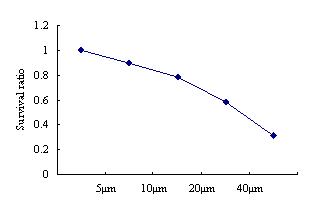
In terms of outcome measures, statistically significant differences were only observed in need for invasive mechanical ventilation (23% vs 46%, p-value 0.005) and in-hospital mortality (13% vs 37%, p-value 0.002). Both these outcomes were still statistically significant following adjustment for conf
8036 records 536/536 page Previous First page 上5页 536