Archives
- 2026-06
- 2026-05
- 2026-04
- 2026-03
- 2026-02
- 2026-01
- 2025-12
- 2025-11
- 2025-10
- 2025-09
- 2025-04
- 2025-03
- 2025-02
- 2025-01
- 2024-12
- 2024-11
- 2024-10
- 2024-09
- 2024-08
- 2024-07
- 2024-06
- 2024-05
- 2024-04
- 2024-03
- 2024-02
- 2024-01
- 2023-12
- 2023-11
- 2023-10
- 2023-09
- 2023-08
- 2023-07
- 2023-06
- 2023-05
- 2023-04
- 2023-03
- 2023-02
- 2023-01
- 2022-12
- 2022-11
- 2022-10
- 2022-09
- 2022-08
- 2022-07
- 2022-06
- 2022-05
- 2022-04
- 2022-03
- 2022-02
- 2022-01
- 2021-12
- 2021-11
- 2021-10
- 2021-09
- 2021-08
- 2021-07
- 2021-06
- 2021-05
- 2021-04
- 2021-03
- 2021-02
- 2021-01
- 2020-12
- 2020-11
- 2020-10
- 2020-09
- 2020-08
- 2020-07
- 2020-06
- 2020-05
- 2020-04
- 2020-03
- 2020-02
- 2020-01
- 2019-12
- 2019-11
- 2019-10
- 2019-09
- 2019-08
- 2019-07
- 2019-06
- 2019-05
- 2019-04
- 2018-11
- 2018-10
- 2018-07
-
br Rationale Recently we have shown that the nasal CysLT
2021-01-14
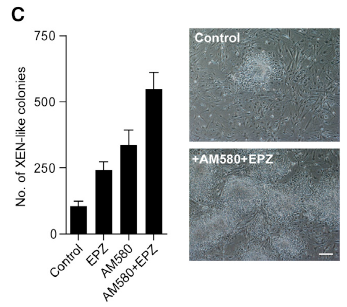
Rationale Recently we have shown that the nasal CysLT2 receptor localized exclusively in blood vessels and the expression level of the CysLT2 receptor in patients with nasal allergy was higher than that in patients with non-allergic rhinitis (Shirasaki et al. Allergol Int 2013). We hypothesized t
-
In this study cell migration in
2021-01-14
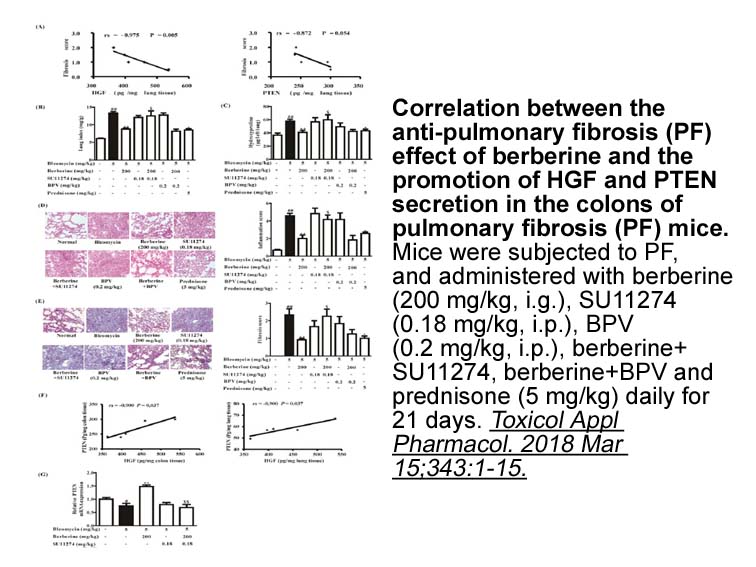
In this study, cell migration in response to LTD4 exhibited a typical bell-shaped dose-response curve with optimal activity at 10 nM. However, the effect of inhaled CysLTs on airway inflammatory cells in vivo has not been widely reported to date, therefore, the role of CysLTs in the development of a
-
Signal transduction through IL c FMS ligand receptor
2021-01-14
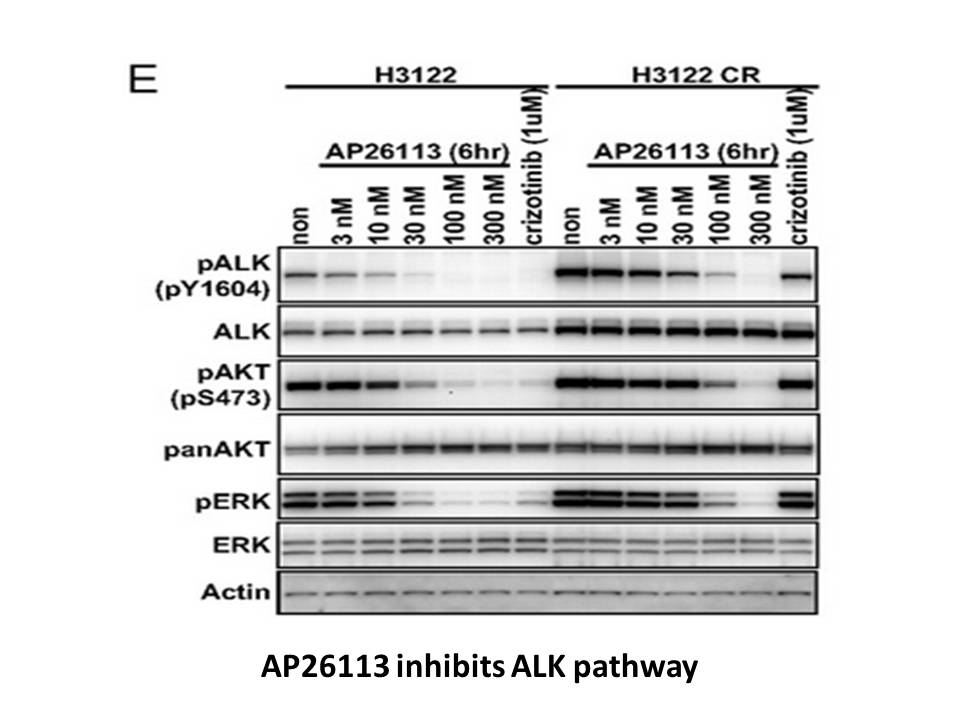
Signal transduction through IL-34/ c-FMS ligand receptor also leads to the differentiation, survival and, angiogenesis, proliferation, adhesion and migration of cells of the monocyte/macrophage lineage similar to that of CSF-1 through the various pathways-First is through FAK (Focal Adhesion Kinase)
-
Common to all models for nuclear transport is the
2021-01-14
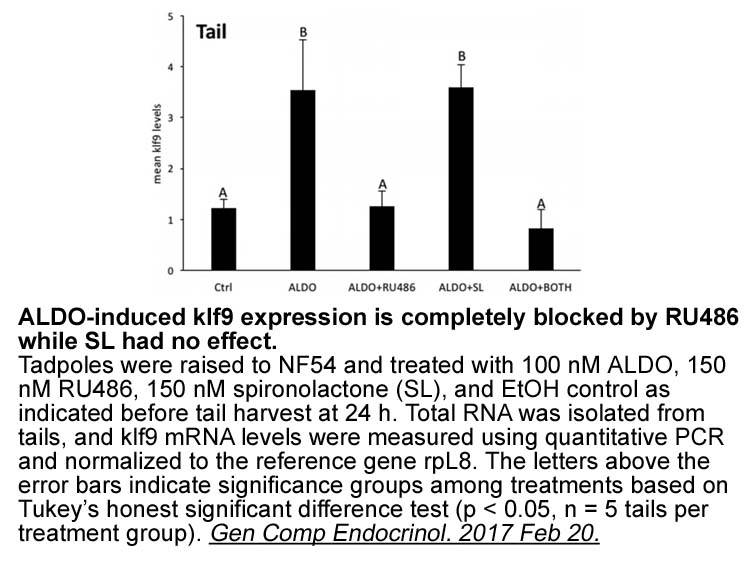
Common to all models for nuclear transport is the binding of importins/exportins to FG repeats found in about a third of the ∼30 nucleoporins, the so-called FG-Nups (Iovine et al., 1995, Rexach and Blobel, 1995); for review, see Grossman et al. (2012), Stewart (2007), and Terry and Wente (2009). FG-
-
Under optimized assay conditions very low concentrations
2021-01-14
Under optimized assay conditions, very low concentrations (20pM) of [125I]YP20 bound to hCRF1-CHO E-64-c membranes with high specificity (>95% inhibited by 1μM astressin) and in a membrane protein-dependent manner. Specific binding was selective vs. the hCRF2α subtype because little specific binding
-
In summary we demonstrated the high potency of fluxametamide
2021-01-14
In summary, we demonstrated the high potency of fluxametamide against M. domestica, L. striatellus, and T. urticae GABACls, which leads to high acaricidal/insecticidal effects on these arthropod pests. In contrast to its high potencies against the GABACls of arthropod pests, fluxametamide exhibited
-
Estrogen receptor related receptor ERR like other members of
2021-01-14
Estrogen receptor-related receptor γ (ERRγ), like other members of the ERR subfamily, is a constitutively active orphan nuclear receptor, though unlike ERRα and β, it is more selectively expressed in metabolically active and highly vascularized tissues such as heart, kidney, brain, and skeletal musc
-
br Introduction Prostaglandin E PGE signals through separate
2021-01-14
Introduction Prostaglandin E2 (PGE2) signals through 4 separate G-protein coupled receptor sub-types (EP1, EP2, EP3 and EP4) to elicit a variety of physiological and pathophysiologic effects. EP2 and EP4 increase cAMP levels in the cell via adenylate cyclase activation, whereas EP3 inhibits cAMP
-
br Conclusion Conventional surgical excision
2021-01-13
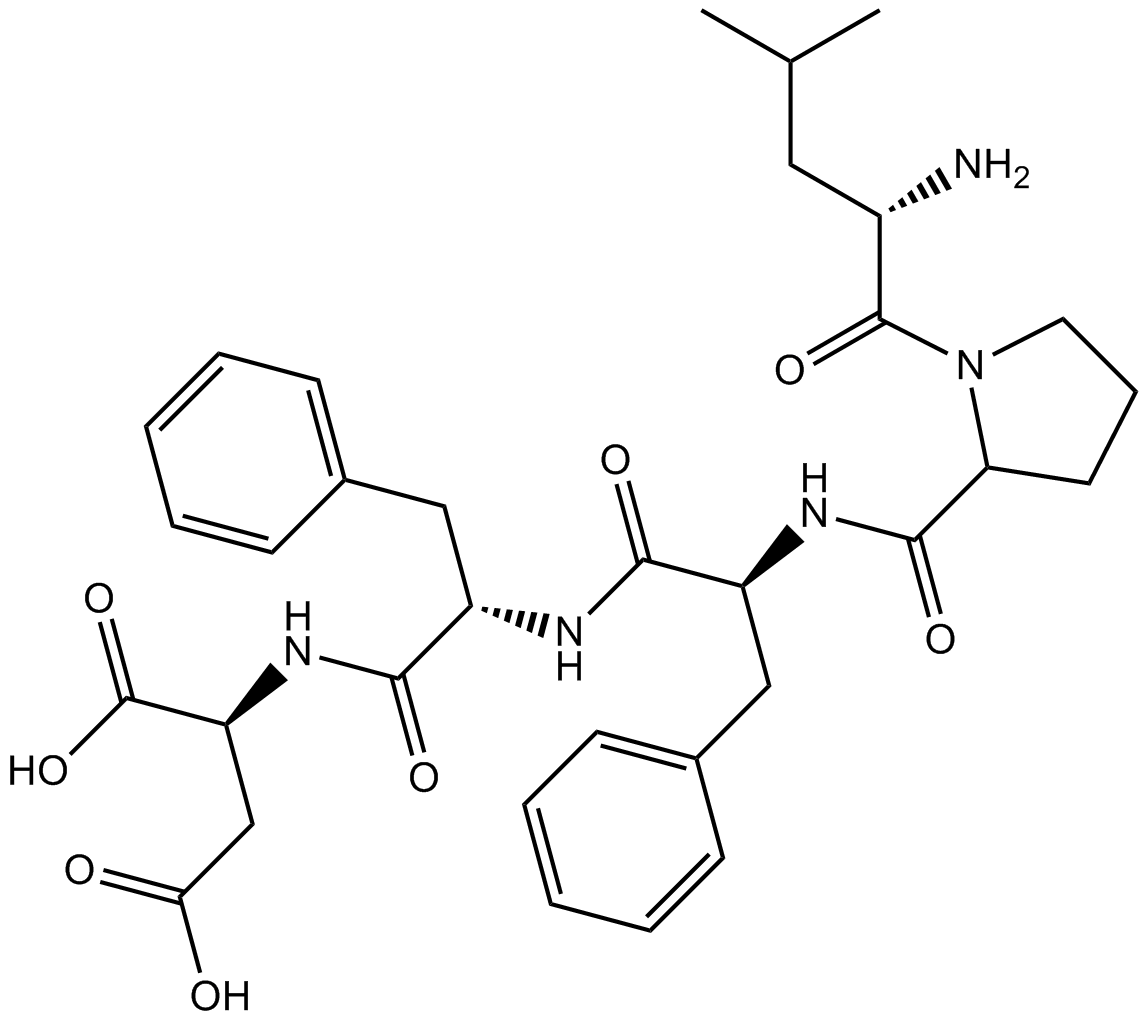
Conclusion Conventional surgical excision of the tumoral lesions is the primer therapy for the BCC. Recurrence rates are significantly higher for surgical margin positive lesions that also creates challenges for the surgeons on obtaining best cosmetic and oncologic results. In our study, EGFR cho
-
br Introduction Melatonin mainly originates from the
2021-01-13

Introduction Melatonin mainly originates from the pineal gland (Reiter, 1991) and is well known for its physiological functions in the regulation of circadian rhythms (Cajochen et al., 2003) and as a potent free radical scavenger and broad-spectrum antioxidant in mammals (Paradies et al., 2010, T
-
Acanthopanax senticosus Rupr Maxim Harms a nontoxic
2021-01-13
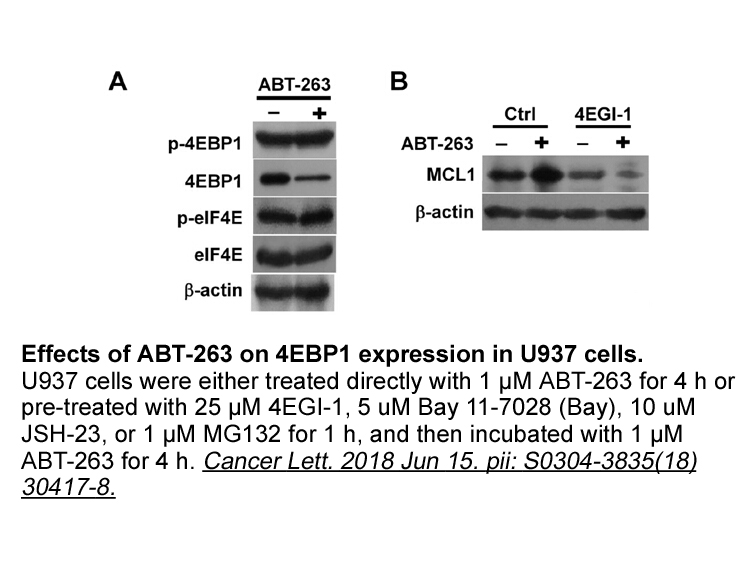
Acanthopanax senticosus (Rupr. & Maxim.) Harms, a nontoxic herb belongs to the family of Araliaceae, which found in Northeast Asia. A. senticosus traditionally used as a tonic to treat rheumatism, diabetes, and hepatitis [7]. Previous phytochemical and biological investigations found its roots and s
-
Group B phytocystatins are also expressed in caryopses
2021-01-13
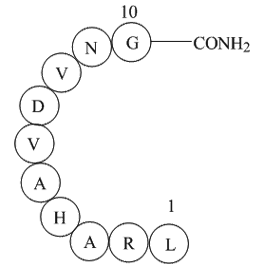
Group B phytocystatins are also expressed in caryopses. Although their expression patterns during germination are similar to those of the group A inhibitors, their expression patterns during seed development vary, indicating that they play different roles in the latter process. The highest levels of
-
CIC mediated chemoresistance is driven by several
2021-01-13

CIC-mediated chemoresistance is driven by several factors. In our quest to learn about these, we examined the crucial mediators identified earlier in the regulation of CSC survival and chemoresistance, such as BCL2, cleaved Caspase-3, COX-2, and macrophages. Interestingly, we observed a significantl
-
In this review we first introduce the in vivo metabolism
2021-01-13
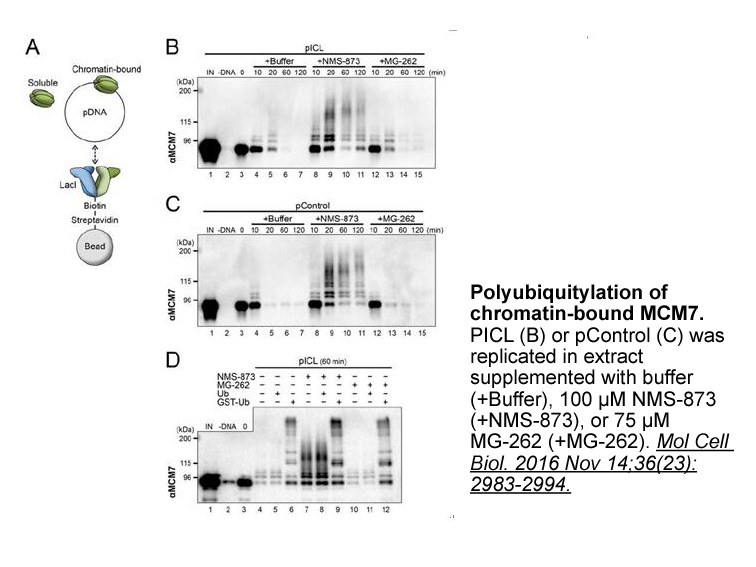
In this review, we first introduce the in vivo metabolism profile of VD3, and the mediation of Cyp3a gene transcription by PXR and CAR in humans, mice and rats. We then focus on the species-specific VDR-dependent regulation of human (CYP3A4, CYP3A5 and CYP3A7), mouse (mainly CYP3A11 and CYP3A13), an
-
energy metabolism br Acknowledgement AM and SK thank ICMR Ne
2021-01-13
Acknowledgement AM and SK thank ICMR, New Delhi, India for the financial assistance BIC/12(32)/2012. SK is the recipient of JRF from the project. RK and GJ thank Bristol-Myer Squibb (Grant # 34003085), USA for financial support. Introduction Proliferating Cell Nuclear Antigen (PCNA) is a high
15708 records 700/1048 page Previous Next First page 上5页 696697698699700 下5页 Last page