Archives
- 2026-04
- 2026-03
- 2026-02
- 2026-01
- 2025-12
- 2025-11
- 2025-10
- 2025-09
- 2025-04
- 2025-03
- 2025-02
- 2025-01
- 2024-12
- 2024-11
- 2024-10
- 2024-09
- 2024-08
- 2024-07
- 2024-06
- 2024-05
- 2024-04
- 2024-03
- 2024-02
- 2024-01
- 2023-12
- 2023-11
- 2023-10
- 2023-09
- 2023-08
- 2023-07
- 2023-06
- 2023-05
- 2023-04
- 2023-03
- 2023-02
- 2023-01
- 2022-12
- 2022-11
- 2022-10
- 2022-09
- 2022-08
- 2022-07
- 2022-06
- 2022-05
- 2022-04
- 2022-03
- 2022-02
- 2022-01
- 2021-12
- 2021-11
- 2021-10
- 2021-09
- 2021-08
- 2021-07
- 2021-06
- 2021-05
- 2021-04
- 2021-03
- 2021-02
- 2021-01
- 2020-12
- 2020-11
- 2020-10
- 2020-09
- 2020-08
- 2020-07
- 2020-06
- 2020-05
- 2020-04
- 2020-03
- 2020-02
- 2020-01
- 2019-12
- 2019-11
- 2019-10
- 2019-09
- 2019-08
- 2019-07
- 2019-06
- 2019-05
- 2019-04
- 2018-11
- 2018-10
- 2018-07
-
ccr5 antagonist As the principal receptors for regulating th
2019-11-02
As the principal receptors for regulating the inflammatory process in mammals, CXCR1 and CXCR2 have an important role in regulating the trafficking of phagocytes such as neutrophils, monocytes and macrophages (Viola and Luster, 2008). The evidence gathered to date from fish studies are in agreement
-
The full length human CPG protein is
2019-11-02
The full-length human CPG2 protein is expressed in CNS tissue with the highest expression in the neocortex, hippocampus and striatum, consistent with mRNA localization patterns of the rat Cpg2 homolog (Cottrell et al., 2004). In the rat, the CPG2 protein localizes primarily to the postsynaptic endoc
-
In conclusion our study has
2019-11-02
In conclusion, our study has demonstrated that PGE2 stimulates expression of survivin in hepatocellular carcinoma cells. Although there are 4 subtypes of EP receptors, the EP1 receptor appears to be the predominant receptor that regulates PGE2-induced expression of survivin, mainly through trans-act
-
br Experimental section br Acknowledgments MIN cells were
2019-11-02
Experimental section Acknowledgments MIN6 cells were kindly provided by Dr. Junichi Miyazaki, Osaka University. This research was supported in part by the Ministry of Education, Culture, Sports, Science and Technology of Japan (JP16H05099 and JP18H04609 to K.H., and JP16H06574 to T.U.), SENTAN
-
br Oxidoreductase like MEM for prodrug activation
2019-11-01
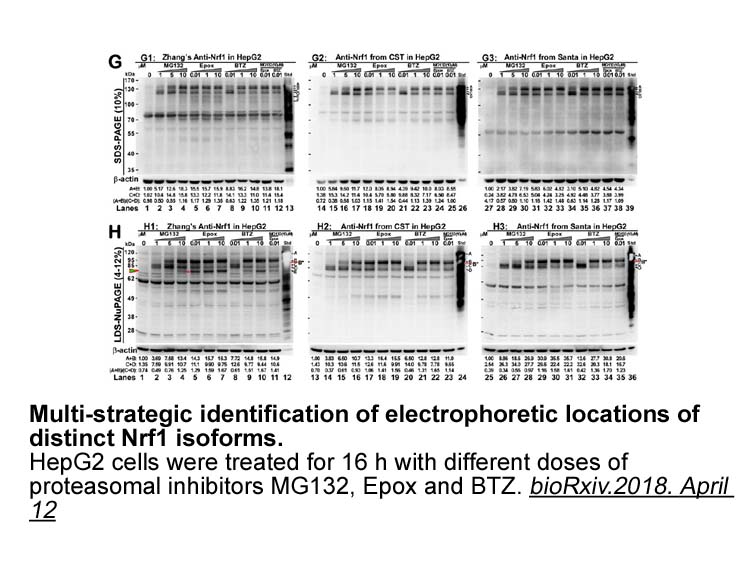
Oxidoreductase-like MEM for prodrug activation Future outlook Although MEM-mediated prodrug activation has been performed by different MEMs and prodrugs, and their effectiveness have been proved in vivo, only a few types of MEMs or prodrugs have been explored in prodrug activation until now [2
-
Our data also showed that
2019-11-01
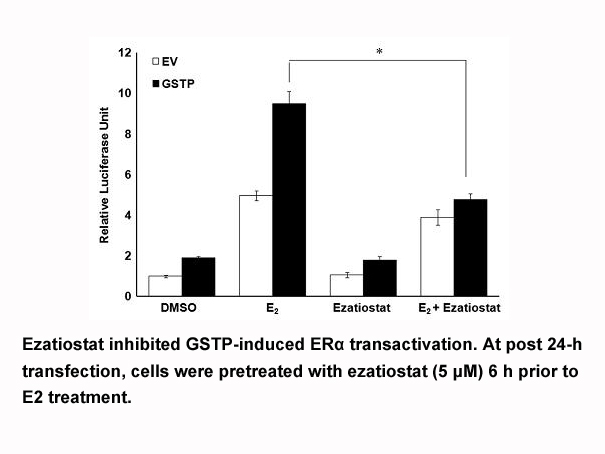
Our data also showed that D2 dopamine receptor was down-regulated in the hippocampus, NAc and striatum of F1-MEP animals, which was only significant in the hippocampus. Both agonists and antagonists of D2 dopamine receptor are able to decrease heroin self-administration (Hemby et al., 1996; Rowlett
-
In this report we present spectroscopic evidence on
2019-11-01

In this report, we present spectroscopic evidence on the effect of different solvents having proton acceptor and proton donor ability and pH of the medium on the abstraction of amino proton of PI (Scheme 1) for controlling the nonradiative rates. Despite the general utility of PI as a DNA intercalat
-
For reductive amination by L AmDH the
2019-11-01
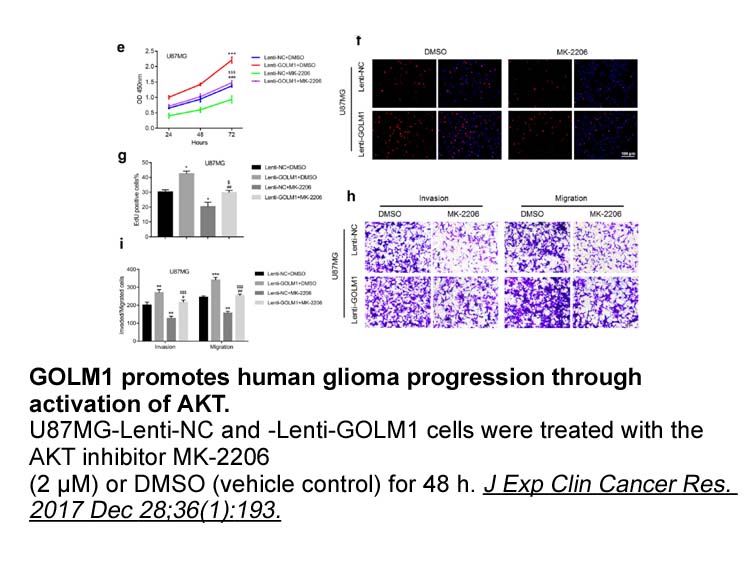
For reductive amination by L-AmDH, the term related to the enzyme-ammonia complex is excluded rather than the enzyme-pentanone term (Table 1). If this were an ordered mechanism, this would imply ammonia binds second, after NADH and before 2-pentanone. However, a large KM,NH4 value renders ammonia bi
-
In cancer interactions between the transformed cancer
2019-11-01
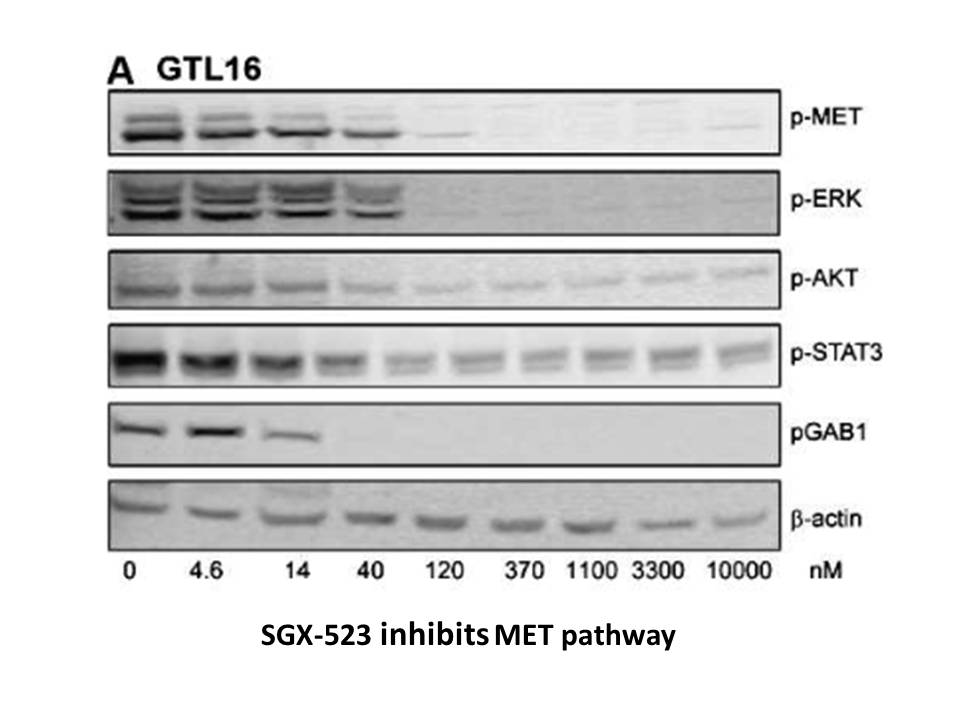
In cancer, interactions between the transformed cancer PFI-2 and other cell types recruited to the tumor are important. Tumor associated macrophages provide cancer cells with a suitable low-grade inflammatory milieu including growth promoting factors. Our results suggest a novel pro-tumorigenic mech
-
br Acknowledgments The authors thank Elisabete Lepera and Ro
2019-11-01
Acknowledgments The authors thank Elisabete Lepera and Rosana Silva for technical support. The study was supported by FAPESP, CNPq and PADC/FCF-UNESP. T.T. Miguel was the recipient of a FAPESP (Proc. 05/05171-1) and R.L. Nunes-de-Souza of a CNPq (Proc. 303580/2009-7) fellowship. Introduction
-
The Liver X Receptor and LXRs
2019-11-01
The Liver X Receptor-α and -β (LXRs, NR1H3 and NR1H2, respectively) are members of the nuclear receptor superfamily that play a central role in controlling cholesterol homeostasis [9], [10]. In macrophages, LXRs can decrease the cellular sterol burden by inducing expression of the cholesterol efflux
-
br Materials and methods br
2019-10-31
Materials and methods Results Discussion Although some conditioning therapies have provided satisfactory clinical outcomes, mammalian species have little or no ability to replace injured cardiac tissue [34]. Therefore, therapeutic strategies based on the prevention, rather than treatment af
-
From these and other studies it
2019-10-31
From these and other studies, it is clear that acriflavine is an interesting imidazoline with pleiotropic anticancer effects [21], [22], [43]. Its past systemic use in the clinical setting as an antibiotic without any major toxicity reported encourages further development of the drug for cancer tre
-
Besides EGFR other tyrosine kinase receptors are currently
2019-10-31
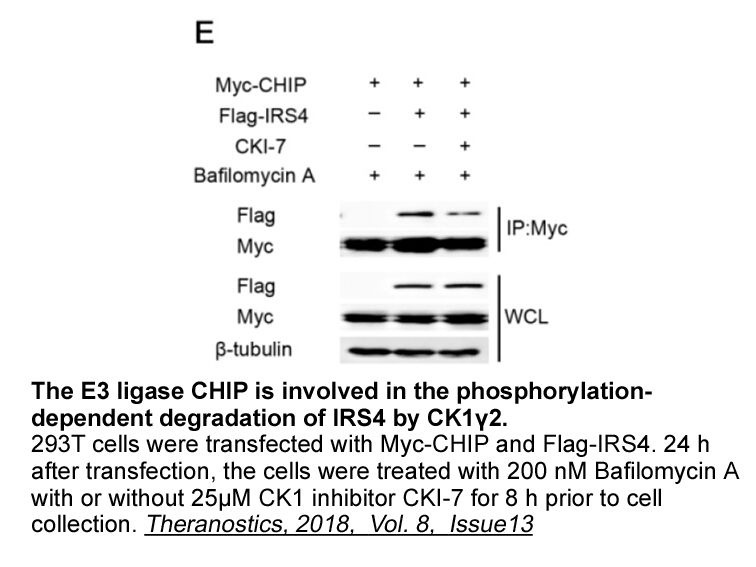
Besides EGFR, other tyrosine kinase receptors are currently gaining attention as potential therapeutic targets. Included among these is the fibroblast growth factor receptor (FGFR) family, which is involved in the progression of a variety of cancers.7, 8, 9, 10, 11 In lung cancer, fibroblast growth
-
br Discussion The regulation of intracellular cholesterol
2019-10-31
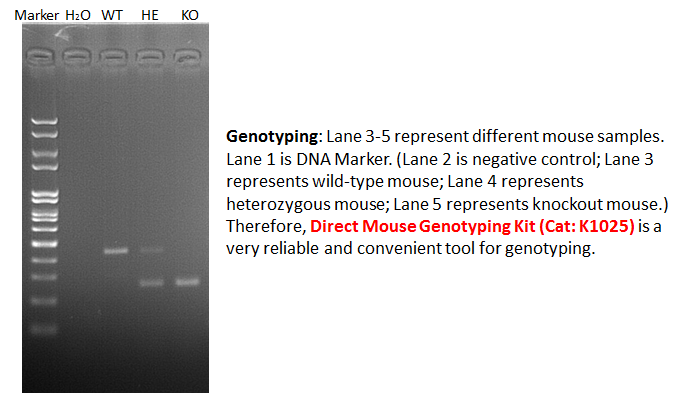
Discussion The regulation of intracellular cholesterol levels is a biological process of vital importance for cellular function and integrity, and involves robust transcriptional and post-transcriptional mechanisms that are sensitive to metabolic feedback control. Amongst post-transcriptional mec
15577 records 905/1039 page Previous Next First page 上5页 901902903904905 下5页 Last page