Archives
- 2026-10
- 2026-09
- 2026-08
- 2026-07
- 2026-06
- 2026-05
- 2026-04
- 2026-03
- 2026-02
- 2026-01
- 2025-12
- 2025-11
- 2025-10
- 2025-09
- 2025-04
- 2025-03
- 2025-02
- 2025-01
- 2024-12
- 2024-11
- 2024-10
- 2024-09
- 2024-08
- 2024-07
- 2024-06
- 2024-05
- 2024-04
- 2024-03
- 2024-02
- 2024-01
- 2023-12
- 2023-11
- 2023-10
- 2023-09
- 2023-08
- 2023-07
- 2023-06
- 2023-05
- 2023-04
- 2023-03
- 2023-02
- 2023-01
- 2022-12
- 2022-11
- 2022-10
- 2022-09
- 2022-08
- 2022-07
- 2022-06
- 2022-05
- 2022-04
- 2022-03
- 2022-02
- 2022-01
-
br Experimental procedure br Acknowledgments
2022-03-09
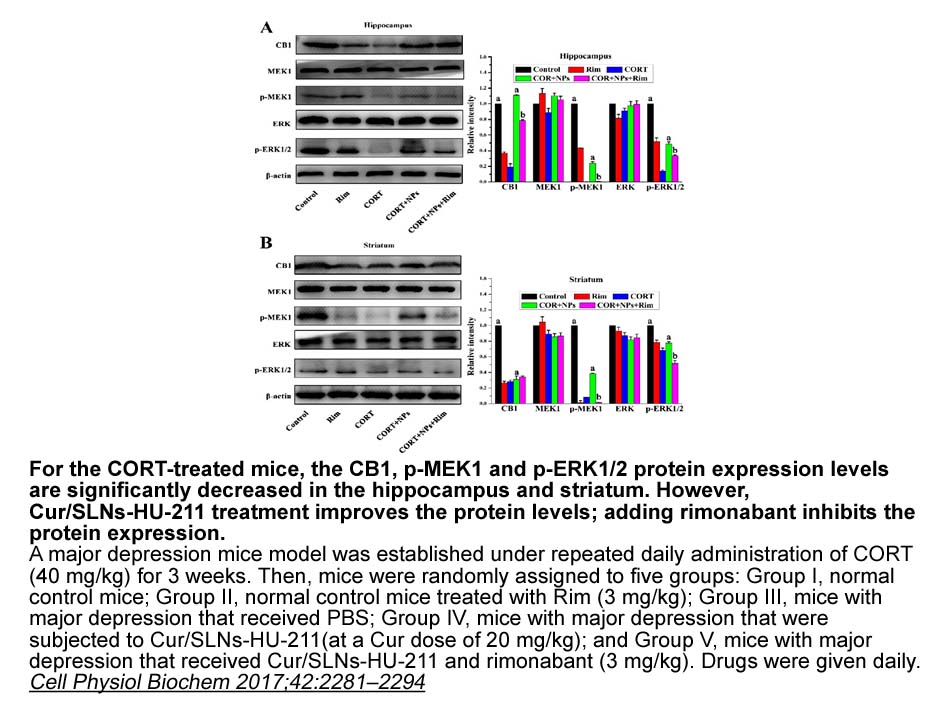
Experimental procedure Acknowledgments This research was supported by funds provided by NIH/NIAAA grant P01 AA020683 and the Waggoner Center for Alcohol and Addiction Research. Introduction Acute mesenteric ischemia (AMI) is still associated with a high mortality rate, and currently, an ea
-
It is known that hypercapnia as well
2022-03-09

It is known that hypercapnia, as well as hypoxia, can result in a decrease in body temperature, but the mechanisms involved are not very well known (Barros and Branco, 1998; Saiki and Mortola, 1996). One IGF-1, human recombinant synthesis is that when there is an acute hypercapnic exposure, acidosis
-
The SLC A mutations identified in both families
2022-03-09

The SLC45A1 mutations identified in both families appear to be hypomorphic given that they resulted in a reduction but not abolition of intracellular glucose transport by SLC45A1 in our in vitro assay. It is tempting to speculate that recessive mutations causing a more severe dysfunction of the tran
-
C steroids and their glycosylation
2022-03-09
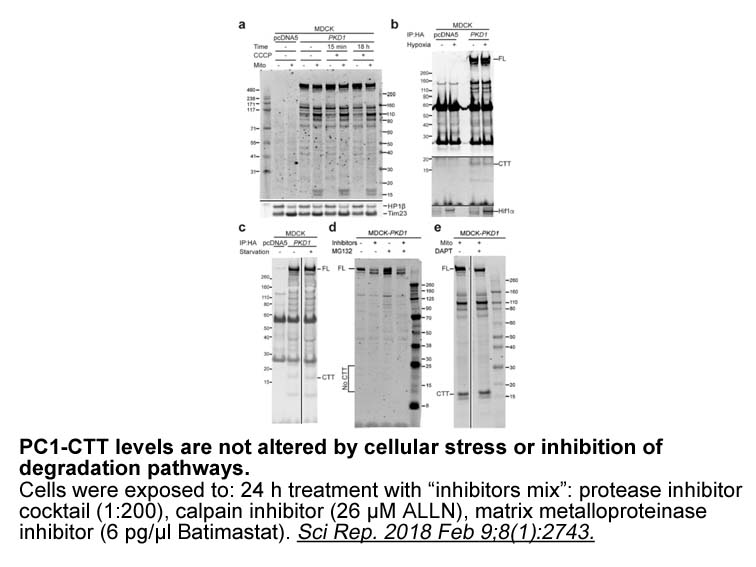
C21 steroids and their glycosylation products distribute widely in Asclepiadaceae plants. Their anticancer activities have been shown in different human cell lines and in vivo animal experiments [[27], [28], [29], [30], [31], [32]]. However, the mechanisms of their anticancer activities are still un
-
Since the isoflavone emerged as privileged scaffold in Hh
2022-03-09
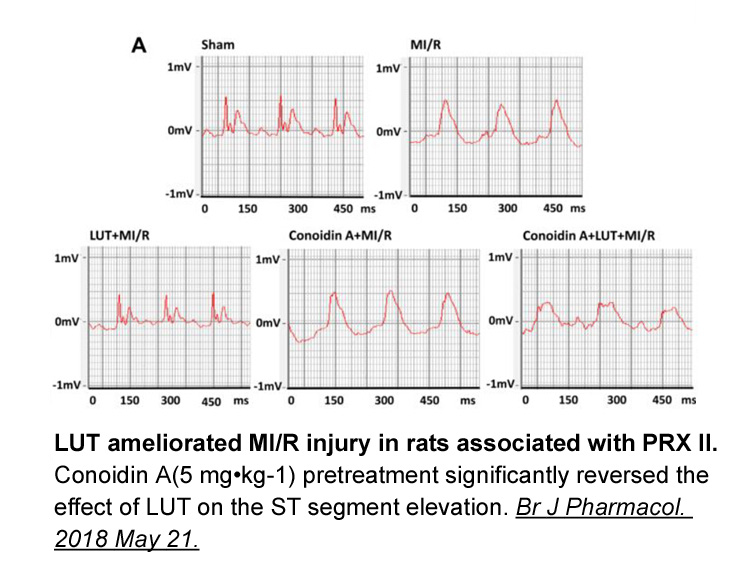
Since the isoflavone emerged as privileged scaffold in Hh inhibition, based on molecular modeling predictions and prior studies [17,22], here we designed a number of isoflavones able to interact preferentially with the Smo receptor or the Gli protein. Molecules were synthesized by means of a novel s
-
Analysis of the GHSR screening
2022-03-09
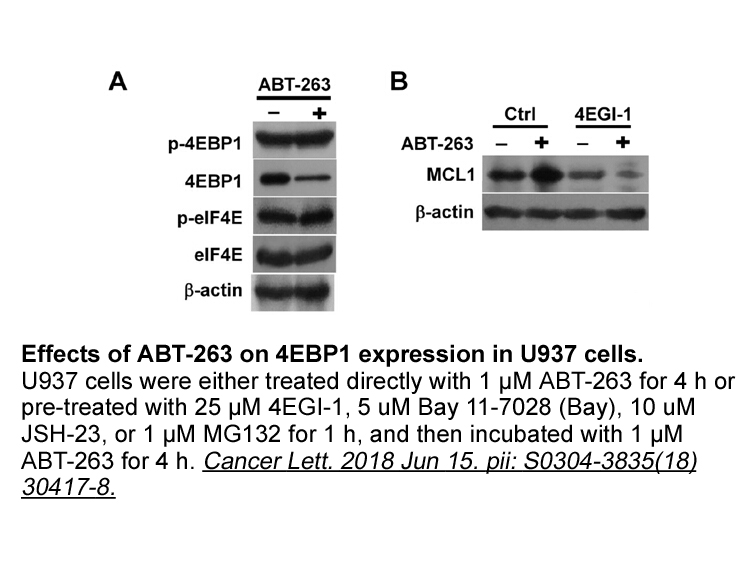
Analysis of the GHSR screening data for inactive library members indicated that the prolinol-derived secondary amine and α-substituted phenoxyacetamide moieties described in were critical for activity. As a result, we initiated the synthesis of follow-up libraries utilizing the solid-phase chemistr
-
Introduction br Channel activity Since initial reports of th
2022-03-09
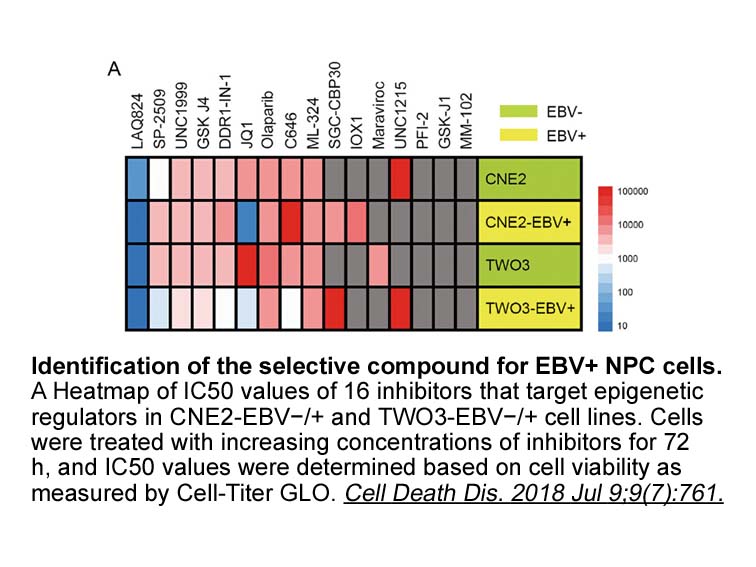
Introduction Channel activity Since initial reports of the Ca2+-activated K+ permeability of erythrocytes (see Gardos, 1958), several ‘criteria’ have been established to certify K+ fluxes as being due to the Gárdos channel. For example, the requirement for Ca2+ at the intracellular face of the c
-
The Notch cleavage efficiency of Aph
2022-03-09

The Notch-cleavage efficiency of Aph1aS containing complexes was lower than that of Aph1aL γ-secretases, especially in combination with PS2, suggesting that Aph1aS is a determinant of low Notch-cleavage specificity, considering that the different subcellular localization of PS1 and PS2 didn't affect
-
Moving forward to series the energy minimized conformation o
2022-03-09

Moving forward to series , the energy minimized conformation of S3I-201 within the binding pocket is quite interesting. The indole-based tail guides the TZD head for a highly-favored interaction with all residues of the H-bonding triad (). In addition, an extra bonding with H449 in the AF-2 helix wa
-
Liver and muscle isozymes have been found in
2022-03-09
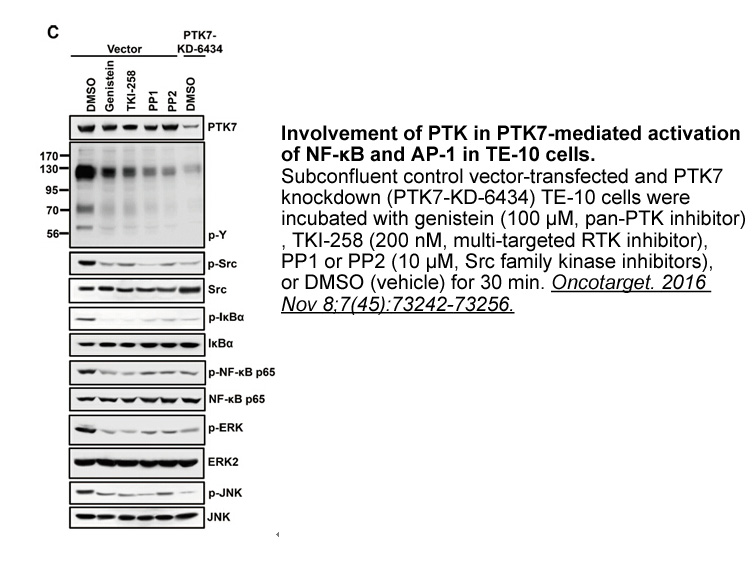
Liver and muscle isozymes have been found in vertebrate tissues [2], [5], [6]. The liver FBPase is recognized as a regulatory enzyme of gluconeogenesis. The muscle isozyme participates in the glycogen synthesis from lactate and in the regulation of glycolysis [7], [8], [9]. The basic difference betw
-
Finally the optimized leads and were
2022-03-09

Finally, the optimized leads (−)- and (−)- were tested in rat model of CIPN (3 and 30 mg/kg, po, qd, administered for 7 days) and the results have been shown in . Under acute set up, after single oral administration at 30 mg/kg, both the compounds exerted significant improvement of the NP condition
-
Moreover long term treatment of leukemia cells
2022-03-09
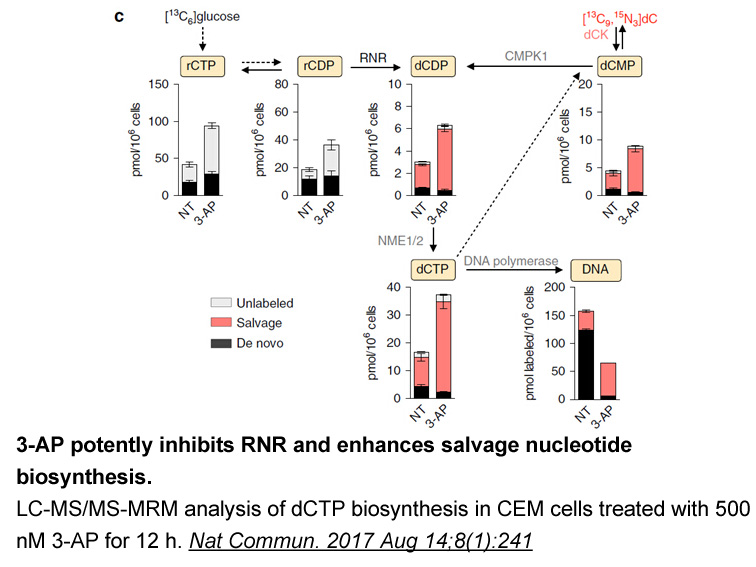
Moreover, long term treatment of leukemia cells with imatinib activates AKT, ERK and STAT5 signaling pathway and induce upregulation of EZH2 protein in patients with CML, Ph + ALL and human eosinophilic leukemia cell line (EOL-1 cells) [142]. So, resistance to tyrosine kinase inhibitor (TKI) imatini
-
DZNep is a PRC inhibitor that inhibits S
2022-03-09
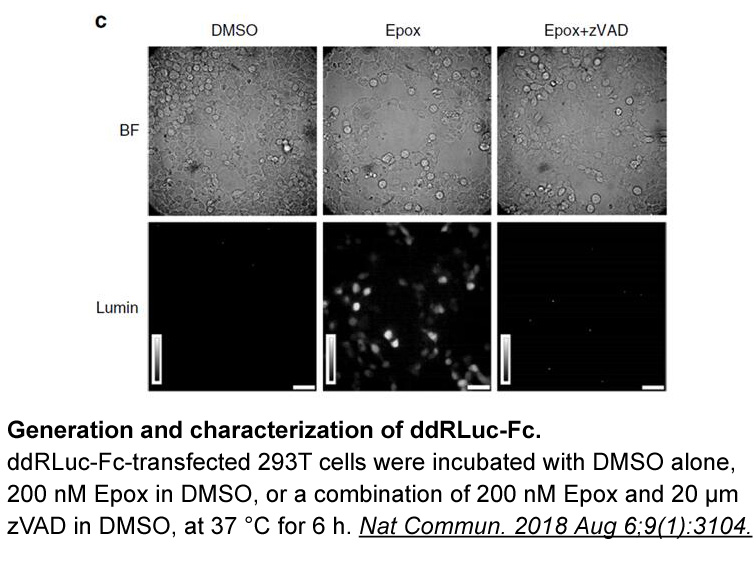
DZNep is a PRC2 inhibitor that inhibits S-adenosylhomocysteine hydrolase, resulting in cellular accumulation of S-adenosylhomocysteine. S-adenosylhomocysteine is a competitive inhibitor of methyl donor for methyltransferases [38]. DZNep targets EZH2 by reduction in the level of the enzyme H3K27me3 a
-
We sought to deduce the
2022-03-09
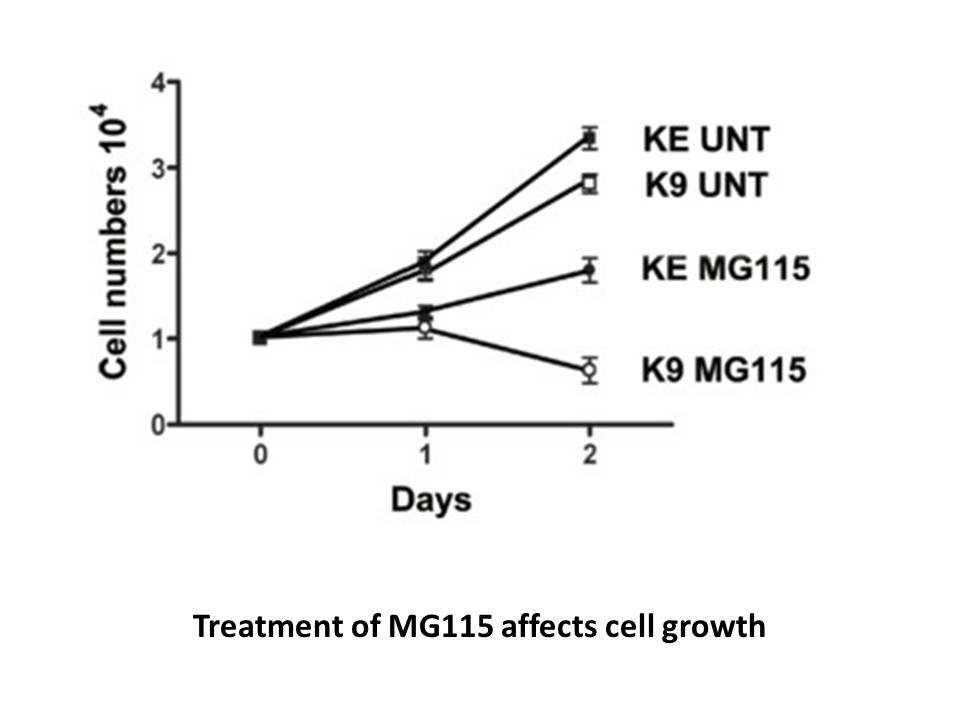
We sought to deduce the role of membrane lipid determinants on endo- and exocytosis by applying a combination of metabolic (lipid) engineering approaches and biophysical methods, e.g. classical optical imaging technologies and high-resolution time-resolved patch-clamp/capacitance measurements. The l
-
br An approach for the key challenges facing forensic scienc
2022-03-08
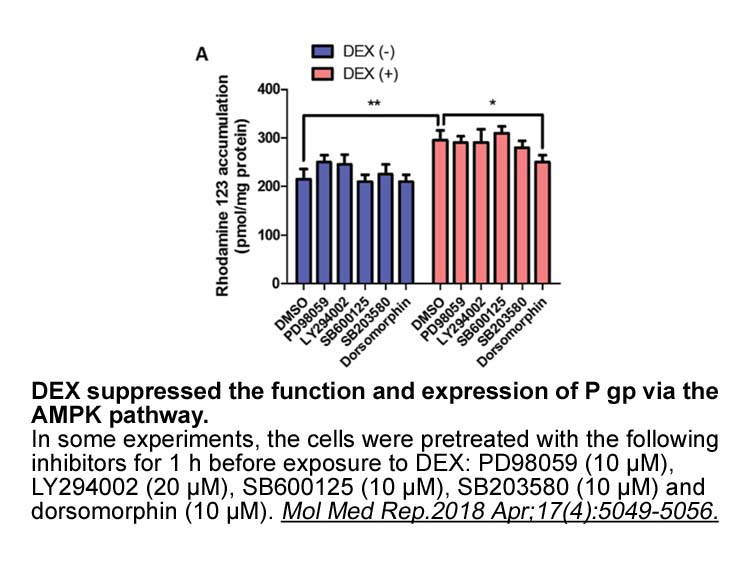
An approach for the key challenges facing forensic science One of the key challenges for forensic science is to avoid being side-tracked by one of the louder narratives in the media that the big problem forensic science faces is ‘junk science’ and ‘rogue scientists’. These are clearly important i
8118 records 504/542 page Previous Next First page 上5页 501502503504505 下5页 Last page