Archives
- 2026-10
- 2026-09
- 2026-08
- 2026-07
- 2026-06
- 2026-05
- 2026-04
- 2026-03
- 2026-02
- 2026-01
- 2025-12
- 2025-11
- 2025-10
- 2025-09
- 2025-04
- 2025-03
- 2025-02
- 2025-01
- 2024-12
- 2024-11
- 2024-10
- 2024-09
- 2024-08
- 2024-07
- 2024-06
- 2024-05
- 2024-04
- 2024-03
- 2024-02
- 2024-01
- 2023-12
- 2023-11
- 2023-10
- 2023-09
- 2023-08
- 2023-07
- 2023-06
- 2023-05
- 2023-04
- 2023-03
- 2023-02
- 2023-01
- 2022-12
- 2022-11
- 2022-10
- 2022-09
- 2022-08
- 2022-07
- 2022-06
- 2022-05
- 2022-04
- 2022-03
- 2022-02
- 2022-01
-
As indicated by the wide variety
2022-08-11
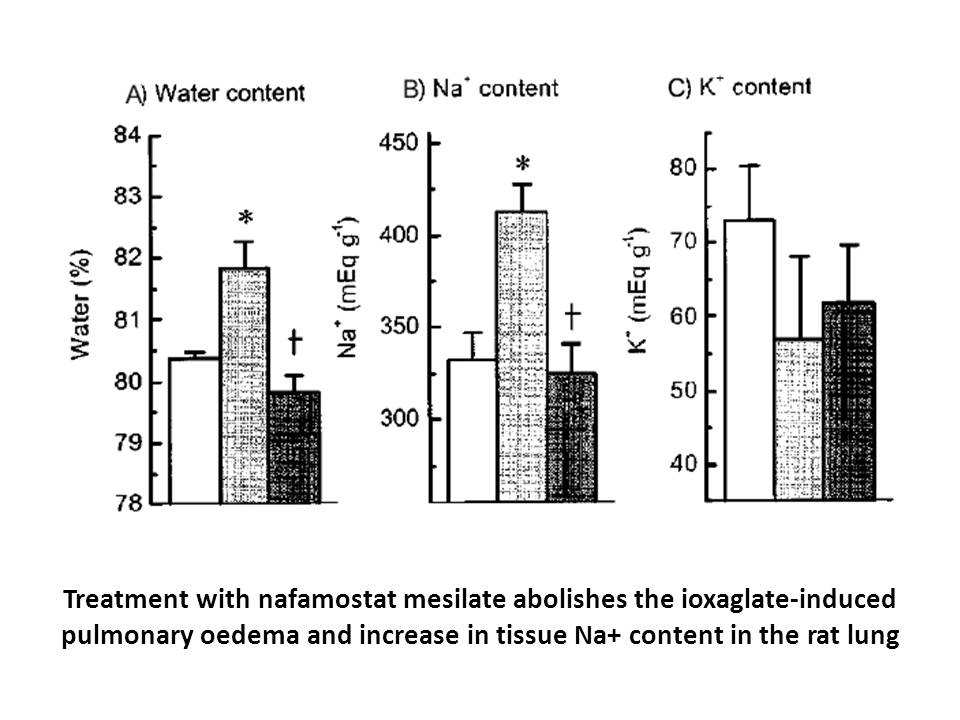
As indicated by the wide variety of pharmaceuticals for IOP management (Table 1), each case of glaucoma is unique and requires a unique treatment regimen to effectively lower IOP. This often results in patients utilizing several medications at once and/or combining medications with surgical interven
-
Despite efforts over the past decade to shed light
2022-08-11

Despite efforts over the past decade to shed light on the endosomal maturation process and its underlying Rab conversion, the context in which all the involved protein components interact needs to be further elucidated. After defining single components and modules of the machinery important for endo
-
br Membrane Fusion Requires Rab GTPases Tethers
2022-08-11
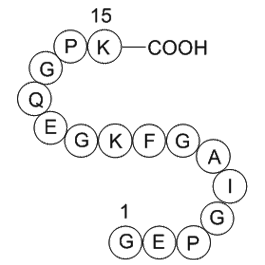
Membrane Fusion Requires Rab-GTPases, Tethers, and SNAREs Regulation and Function of Rab5 Following endocytosis in metazoan cells, the Rab5-specific GEF Rabex5 binds to ubiquitinated cargo proteins, such as cell surface receptors or metabolite transporters, and subsequently activates Rab5 on e
-
By combining the results of the melting curve analysis of
2022-08-11
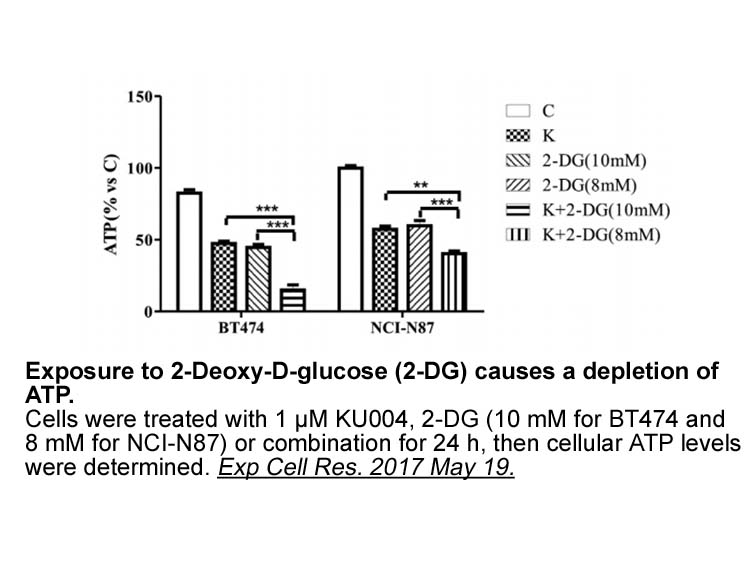
By combining the results of the melting curve analysis of exon 5 and exon 6, the allelic setup of our 250 subjects was determined; the four allelic variants are shown in Table 1. However, GSTP1-1 *A/*C and GSTP1-1 *B/*D could not be distinguished from one another because both genotypes are character
-
br Molecular mechanisms underpinning GSNOR function in the d
2022-08-11
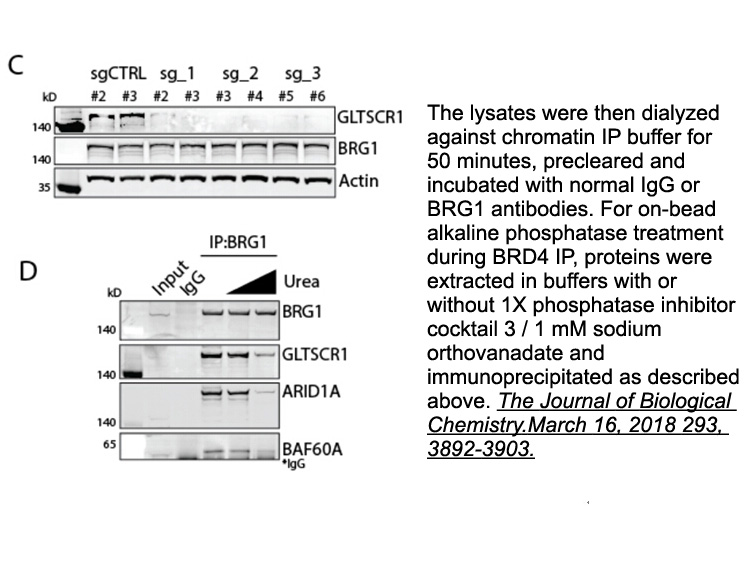
Molecular mechanisms underpinning GSNOR1 function in the defence response Recently, Arabidopsis GSNOR1 has been shown to govern the extent of S-nitrosylation of two key regulatory proteins, Non-Expresser of Pathogenesis-Related Genes 1 (NPR1) and SA binding protein 3 (SABP3), which are integral t
-
br Introduction Chronic rhinosinusitis with nasal polyps
2022-08-11
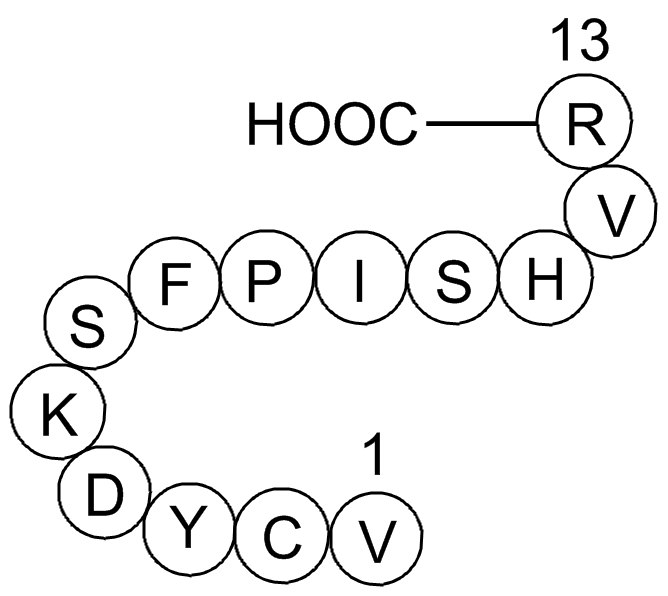
Introduction Chronic rhinosinusitis with nasal polyps (CRSwNP), a subgroup of chronic rhinosinusitis (CRS), is a chronic inflammatory condition of the nasal and paranasal sinuses. CRSwNP is characterized by grape-like structures with dense inflammatory infiltrates, loose fibrous (±)-CPSI 1306 an
-
A similar symbiotic relationship has been reported in the
2022-08-11
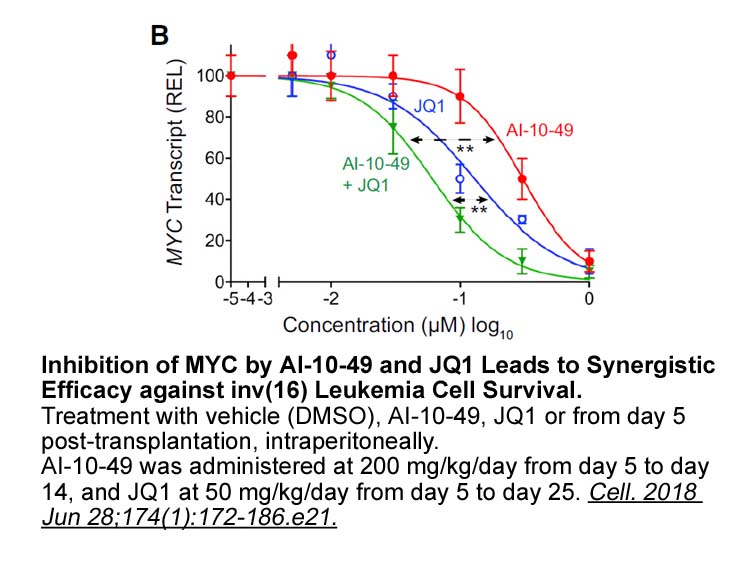
A similar symbiotic relationship has been reported in the brain, where increased gradients of lactate secreted by astrocytes enables neurons to import and use this nutrient, a process referred to the ‘neuron–astrocyte lactate shuttle’ [16]. Similarly, lactate-based metabolic coupling established by
-
br Introduction The amino acid glycine
2022-08-11
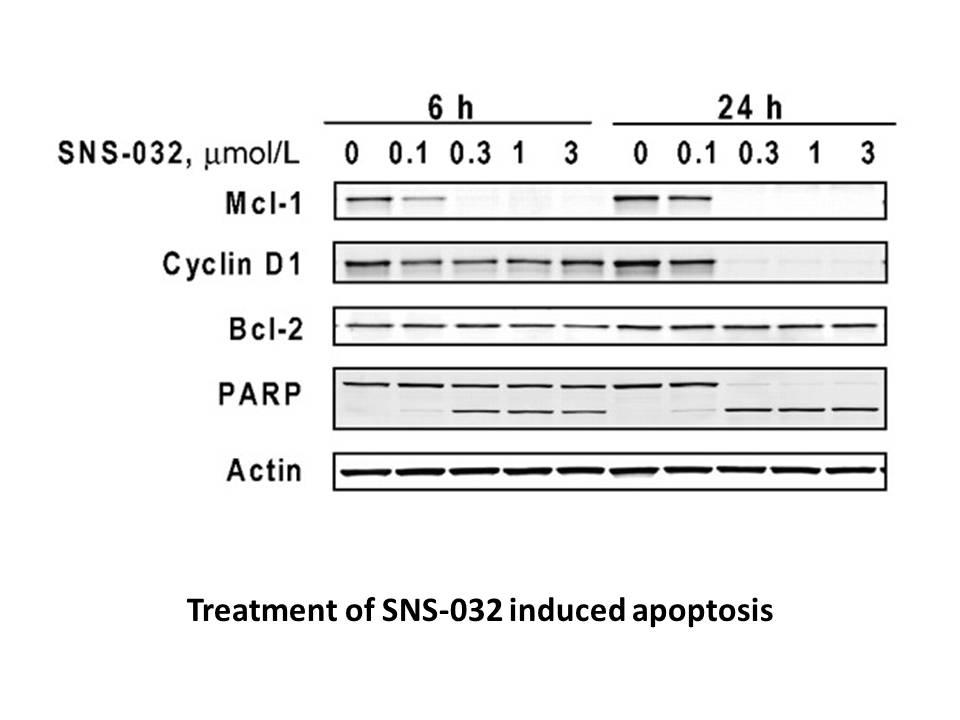
Introduction The amino S63845 glycine functions as a neurotransmitter in the vertebrate central nervous system: as an inhibitory neurotransmitter and as a co-agonist of the NMDA-subtype of excitatory glutamatergic receptors (Eulenburg et al., 2005). Under a current hypothesis that schizophrenia
-
Then the seven complexes GLOI indomethacin GLOI
2022-08-11
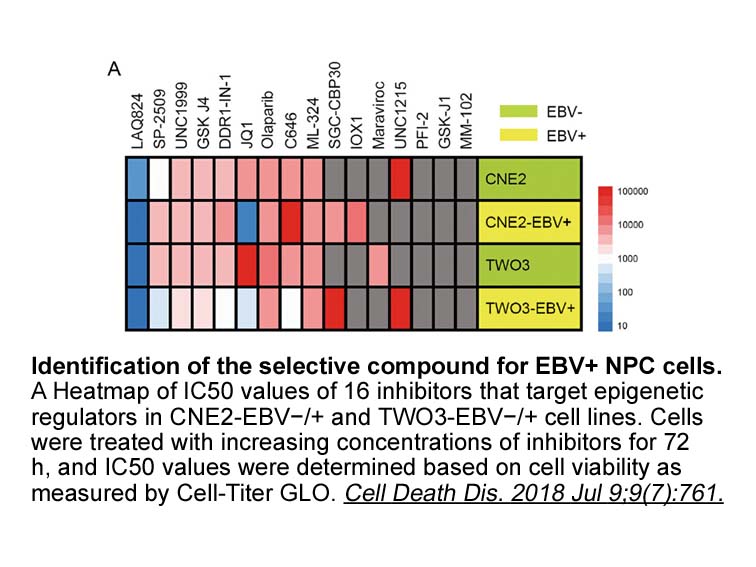
Then the seven complexes (GLOI-indomethacin, GLOI-zomepirac, GLOI-fenoprofen, and GLOI-ketoprofen, GLOI-tolmetin GLOI-curcumin, and GLOI-bisdemethoxycurcumin) were energy-minimized to remove unfavorable steric strain relative to the force field adopted. Further MD simulations were carried out based
-
To evaluate SLC A abundance after transfection we performed
2022-08-10
To evaluate SLC45A1 abundance after transfection, we performed western blots. Transfected COS-7 glycoprotein iib iiia inhibitors were lysed and separated for membrane fraction. Equal amounts of proteins from membrane fractions were resolved by SDS-PAGE, transferred to a nitrocellulose filter, and i
-
Medulloblastoma predominantly occurs in infants and children
2022-08-10
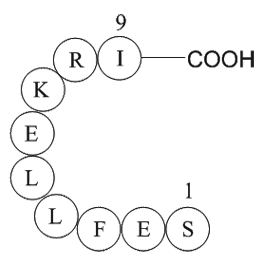
Medulloblastoma predominantly occurs in infants and children, and is the most-common type of paediatric malignant telomerase inhibitor tumour, accounting for about 20% of all childhood brain tumors [63]. According to cancer genomics, medulloblastoma consists of at least 4 distinct subgroups: Hh dri
-
Fig a and b illustrates a slow inhibition by PMA
2022-08-10
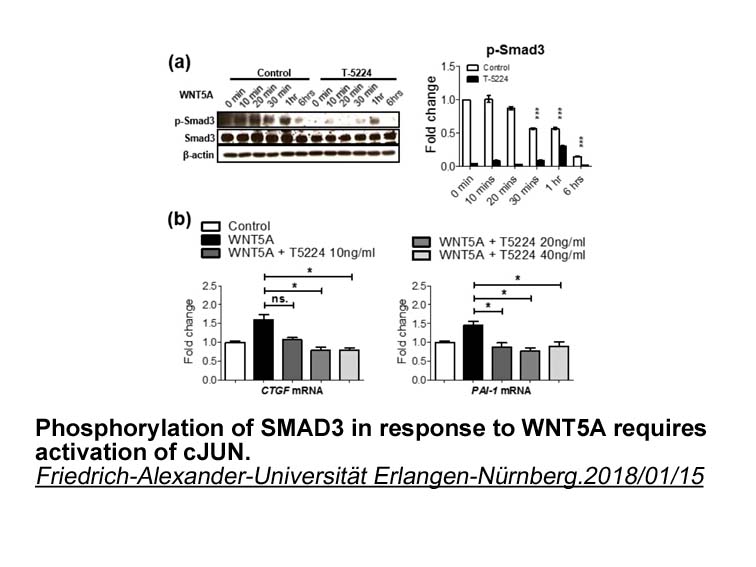
Fig. 3a and b illustrates a slow inhibition by PMA in 2 μM Ca2+. Moreover, channel inhibition was reversed by addition of PKC19–31, a peptide inhibitor specific for PKC, as shown in Fig. 3c. In three experiments, Im was reduced to 14.5±0.6% of the control value by PMA to increase to 207.6±73.6% by a
-
br Acknowledgments The research leading to these
2022-08-10
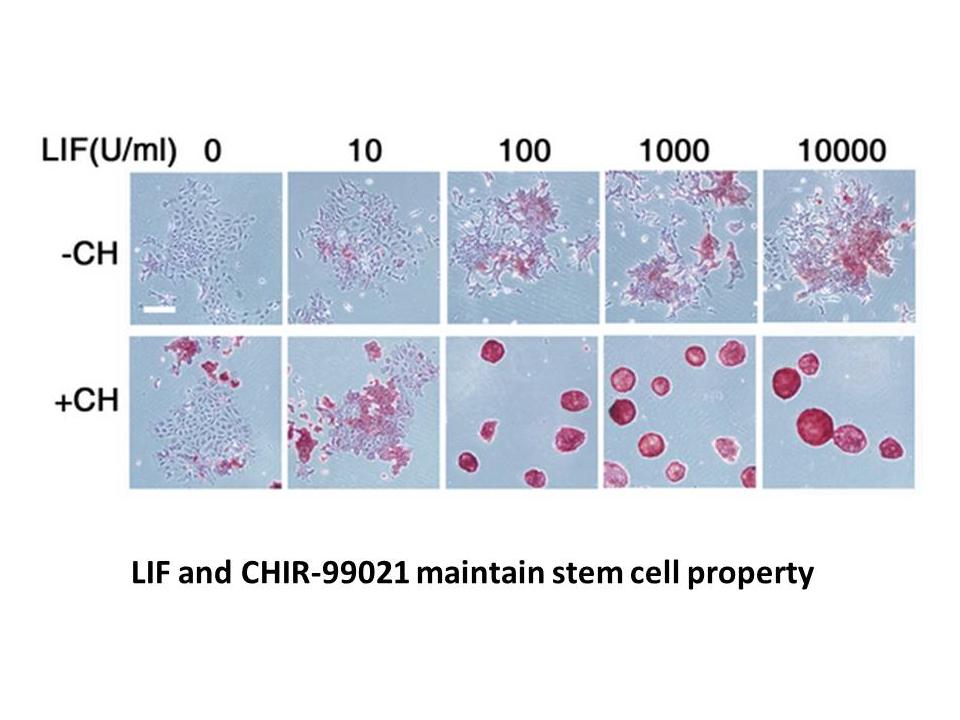
Acknowledgments The research leading to these results was funded by European Community’s Seventh Framework Programme (FP7/2007-2013) under grant agreement No. 222719 – LIFECYCLE and by the Foundation for Science and Technology of Portugal (FCT), through projects PTDC/MAR-BIO/3890/2012 and PEst-C/
-
br Materials and methods br Chemical
2022-08-10
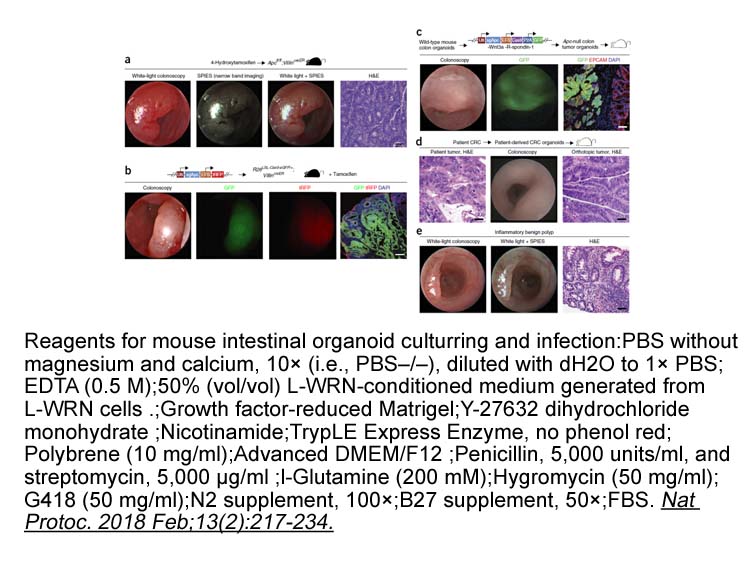
Materials and methods Chemical synthesis Declaration of interest Acknowledgements This research was supported by a grant from the National Institute for General Medicine to K.W.M. (GM 58448) and by the Department of Anesthesia, Critical Care & Pain Medicine at Massachusetts General Hospi
-
br Conclusions and perspectives In conclusion offering duly
2022-08-10
Conclusions and perspectives In conclusion, offering duly validated and highly performing assays for measuring DiXaIs in plasma is a step, but not the final issue. More dedicated and individual assays will continue this innovative development, which witnesses the need for collaboration between co
8118 records 419/542 page Previous Next First page 上5页 416417418419420 下5页 Last page