Archives
- 2026-10
- 2026-09
- 2026-08
- 2026-07
- 2026-06
- 2026-05
- 2026-04
- 2026-03
- 2026-02
- 2026-01
- 2025-12
- 2025-11
- 2025-10
- 2025-09
- 2025-04
- 2025-03
- 2025-02
- 2025-01
- 2024-12
- 2024-11
- 2024-10
- 2024-09
- 2024-08
- 2024-07
- 2024-06
- 2024-05
- 2024-04
- 2024-03
- 2024-02
- 2024-01
- 2023-12
- 2023-11
- 2023-10
- 2023-09
- 2023-08
- 2023-07
- 2023-06
- 2023-05
- 2023-04
- 2023-03
- 2023-02
- 2023-01
- 2022-12
- 2022-11
- 2022-10
- 2022-09
- 2022-08
- 2022-07
- 2022-06
- 2022-05
- 2022-04
- 2022-03
- 2022-02
- 2022-01
-
br Experimental procedures br Results br Discussion Our biop
2024-01-16
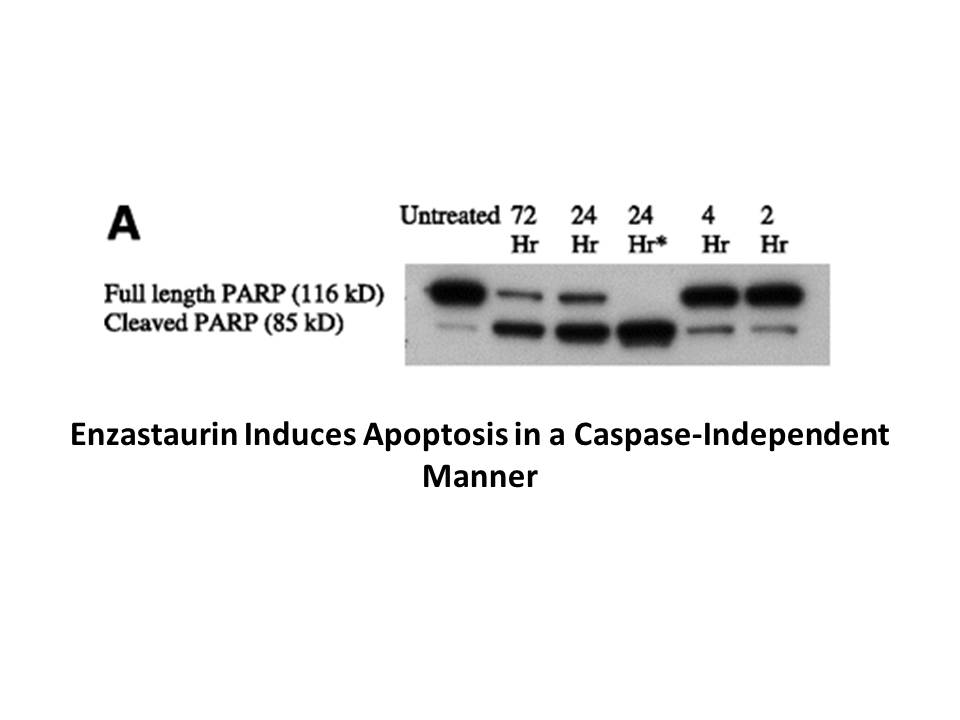
Experimental procedures Results Discussion Our biophysical and cellular analyses of mutant Aβ1–42 peptides support a role of the N-terminus of Aβ in peptide aggregation and toxicity. We demonstrate that double mutations constructed to humanize the rodent Aβ1–42 sequence result in a signific
-
The loss of synaptic proteins such
2024-01-16
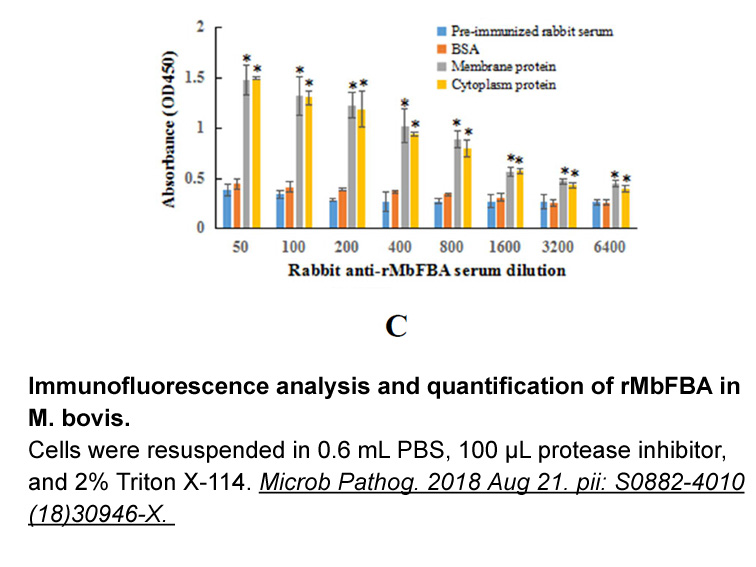
The loss of synaptic proteins such as synaptophysin from the Senexin A is indicative of synapse degeneration and provided a good correlate of the degree of dementia in AD [12], [13], [14]. Consequently, the loss of synaptic proteins from cultured primary neurons incubated with Aβ provides a useful
-
Perhaps the first evidence of AMPKs therapeutic ability in D
2024-01-16

Perhaps the first evidence of AMPKs therapeutic ability in DM1 came from Thomas Cooper’s laboratory where they demonstrated that insulin-independent glucose uptake was unaffected in human DM1 muscle Ozagrel australia treated with MET, an AMPK activator and first-line therapy for type 2 diabetes mel
-
In addition AMPK reduces protein
2024-01-16
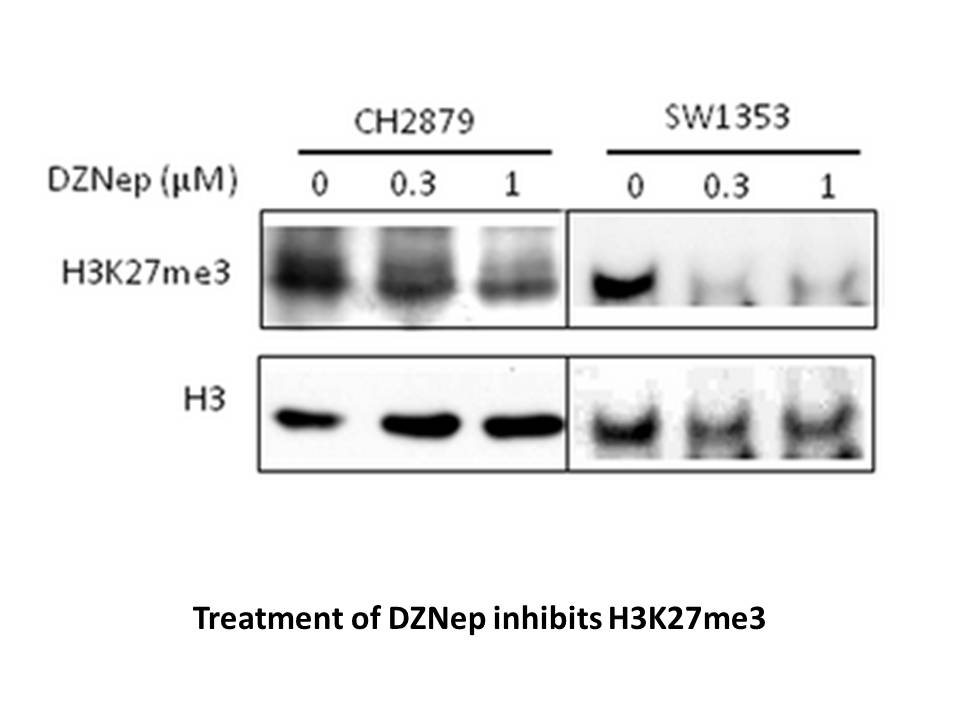
In addition, AMPK reduces protein synthesis and stimulates apoptotic and autophagic pathways through the inhibition of the mechanistic target of rapamycin (mTOR), which regulates cellular metabolic homeostasis, insulin secretion, insulin resistance, autophagy and apoptosis (Maiese, 2016). mTOR is th
-
br Author contributions br Financial disclosures
2024-01-16
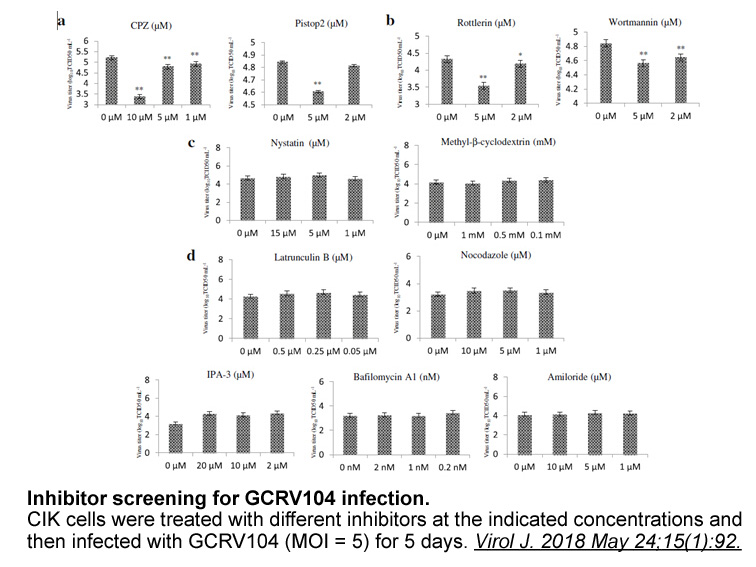
Author contributions Financial disclosures Acknowledgements We thank Ms. Eva So for the editorial assistance. This work was supported by grants from the National Natural Science Foundation of China (No. 81622015, 81571042 and 81501143) and the National Basic Research Program of China (No. 2
-
The functional observations from the
2024-01-15
The functional observations from the present study are based on neoplastic Evans Blue tetrasodium salt (HSY), and comparative expressions between normal salivary and pleomorphic adenoma tissues. However, there is a paucity of information on AhR expression and function in normal salivary gland, not
-
In the late s Solvay Pharmaceuticals discontinued the Phase
2024-01-15
In the late ‘90s, Solvay Pharmaceuticals discontinued the Phase 2 development of a promising potent and highly selective A1AR antagonist based on the pyrrolopyrimidine scaffold, SLV320 [43] (2, Chart 1, also named derenofylline; Ki hA1AR = 1 nM), for the treatment of acute heart failure [24]. In the
-
br AMPK structure and mechanism of action AMPK
2024-01-15

AMPK: structure and mechanism of action AMPK is a metabolic master switch that regulates downstream signals based on shifts in the surrounding energy reservoir [6]. It is expressed in a number of tissues, including the kidney, the liver, the skeletal muscle, the adipose tissue, and the hypothalam
-
The UV vis and fluorescence spectra have been
2024-01-15
The UV–vis and fluorescence spectra have been used to study the interaction between small chemical molecules and biomolecules (Punith and Seetharamappa, 2012). The UV VU590 hydrochloride mg peak of the protein changes with the microenvironment of the chromophore. That is, the peaks may show a certa
-
br Conflict of interest br Acknowledgments br Introduction
2024-01-15

Conflict of interest Acknowledgments Introduction Inflammation is a protective response of the microcirculation to harmful stimuli. Yet, excessive inflammation is potentially harmful and a characteristic of many chronic diseases [1]. 5-Lipoxygenase (5-LO, EC1.13.11.34) contributes to the in
-
Based on these findings the time point for
2024-01-15
Based on these findings, the time point for manipulating autophagy may also determine its role, whereby autophagy induction performed before ischemia could play a protective role but have an opposite effect once ischemia/reperfusion has occurred. This hypothesis is further supported by the protectiv
-
Introduction Lipoxygenases LOXs are key
2024-01-15
Introduction Lipoxygenases (LOXs) are key enzymes that catalyze the polyunsaturated fatty acids (PUFAs) such as arachidic TMC647055 Choline salt (AA), linoleic acid (LA) and others unsaturated fatty acids (Brash, 1999). LOXs are expressed in immune, neural, epithelial, tumor cells and other cells
-
Our results clearly demonstrate that inhibition of ATM pathw
2024-01-15
Our results clearly demonstrate that inhibition of ATM pathway activation results in resistance to Vγ2Vδ2 T cell-mediated cell death. Therefore, enhancing ATM activation along with Vγ2Vδ2 T cell treatment would promote the cytotoxicity of resistant ovarian cancer cells. To our knowledge, this is the
-
br Introducing toll like receptors TLRs
2024-01-15
Introducing toll like receptors TLRs are the most important receptors which are expressed on the cytoplasmic and internal vesicles membrane. They have a similar structure including a leucine-rich repeats (LRRs) domain which is out of Sodium Phenylbutyrate membrane, a hydrophobic transmembrane and
-
Antioxidative enzymes such as SOD and CAT play
2024-01-15
Antioxidative enzymes such as SOD and CAT play prominent roles in protecting against oxidative stress and extending food freshness due to their ability in scavenging active oxygen species for maintaining cell membrane integrity. Evidence shows that activities of SOD and CAT are positively affected b
8119 records 246/542 page Previous Next First page 上5页 246247248249250 下5页 Last page